Showing posts with label obstructive sleep apnea. Show all posts

Tuesday, May 15, 2018

Oral Appliance Therapy


What is Obstructive Sleep Apnea?
Obstructive Sleep Apnea (OSA) is a serious medical condition in which breathing repeatedly stops and starts while the patient is asleep.  OSA is caused by a blockage of the airway, usually when the soft tissue in the rear of the throat collapses and closes during sleep. These stops in breathing usually lasts about 10 seconds and are often followed by snorts, gasps, or choking sounds as the patient’s body fights to resume breathing again.
What is Oral Appliance Therapy (OAT)?
Oral appliances for the treatment of sleep apnea continue to increase in popularity for many sleep apnea sufferers.  Over 100 different oral appliances are FDA approved for the treatment of sleep apnea.  These appliances are worn in the mouth, just like a sports mouth guard or an orthodontic appliance while sleeping.  Oral appliances hold the lower jaw forward just enough to keep the airway open and prevent the tongue and muscles in the upper airway from collapsing and blocking the airway.  Two common oral appliances are the mandibular repositioning device and the tongue retaining device.
·       Mandibular repositioning device (MAD): it pushes the lower jaw and tongue slightly forward.  It prevents the throat muscles and soft tissues from collapsing back into the airways and allowing for normal breathing during sleep.
·       Tongue retaining device: It is similar to MAD, but it has a small compartment that fits around the tongue that uses suction to keep it held forward.  This prevents the tongue from collapsing back into the airway.
The American Academy of Sleep Medicine (AASM) has approved Oral Appliance Therapy (OAT) as the first line treatment for patients diagnosed with Mild to Moderate Sleep Apnea.  AASM recommends oral appliance for patients with severe OSA, who are unable to tolerate wearing the Continuous Positive Airway Pressure (CPAP).  Another option for people with severe OSA is Combination Therapy (wear CPAP and an oral appliance together) to help reduce the pressure on a CPAP machine, making it more comfortable to use.
Why use an Oral Appliance for sleep apnea?
·       Oral appliance supports the lower jaw in a forward position to help maintain an open upper airway
·       An effect treatment option for patients with mild and moderate sleep apnea
How can an Oral Appliance help with sleep apnea?
·       Ease of use: more comfortable and tolerable than wearing a CPAP mask (no skin irritation, itchy and dry nose)
·       Small and easy to transport at travel
·       Patients tend to be more compliant
Side effects of wearing Oral Appliance Therapy
·       Soreness of the mouth, sore teeth and/or gums
·       Excessive salivation
·       Damage or permanent change in position/bite of the jaw
Dr. Anna Lee is a dentist trained in sleep apnea who can assist you with the treatment.  Dr. Anna Lee conducts a full evaluation of your teeth, mouth and temporomandibular joint (TMJ) to ensure that your teeth and jaw structure are healthy enough to wear an oral appliance. If you have any question about oral appliance therapy, please call us for a FREE CONSULTATION at        626-335-5114 or visit our sleep website at www.glendorasleep.com


Wednesday, March 22, 2017

Symptoms of Obstructive Sleep Apnea (OSA)


Are you impacted by symptoms of sleep apnea? 

Here are a list of symptoms that can impact individuals with Obstructive Sleep Apnea 


        Multiple episodes of breathing pauses, lasting for more than 10 seconds at a time (can experience up to 300 episodes per night)
·       Wake up with a choking or gasping for air sensation
·       Loud snoring
·       Wake up with a sore or dry throat in the morning
·       Wake up with morning headaches
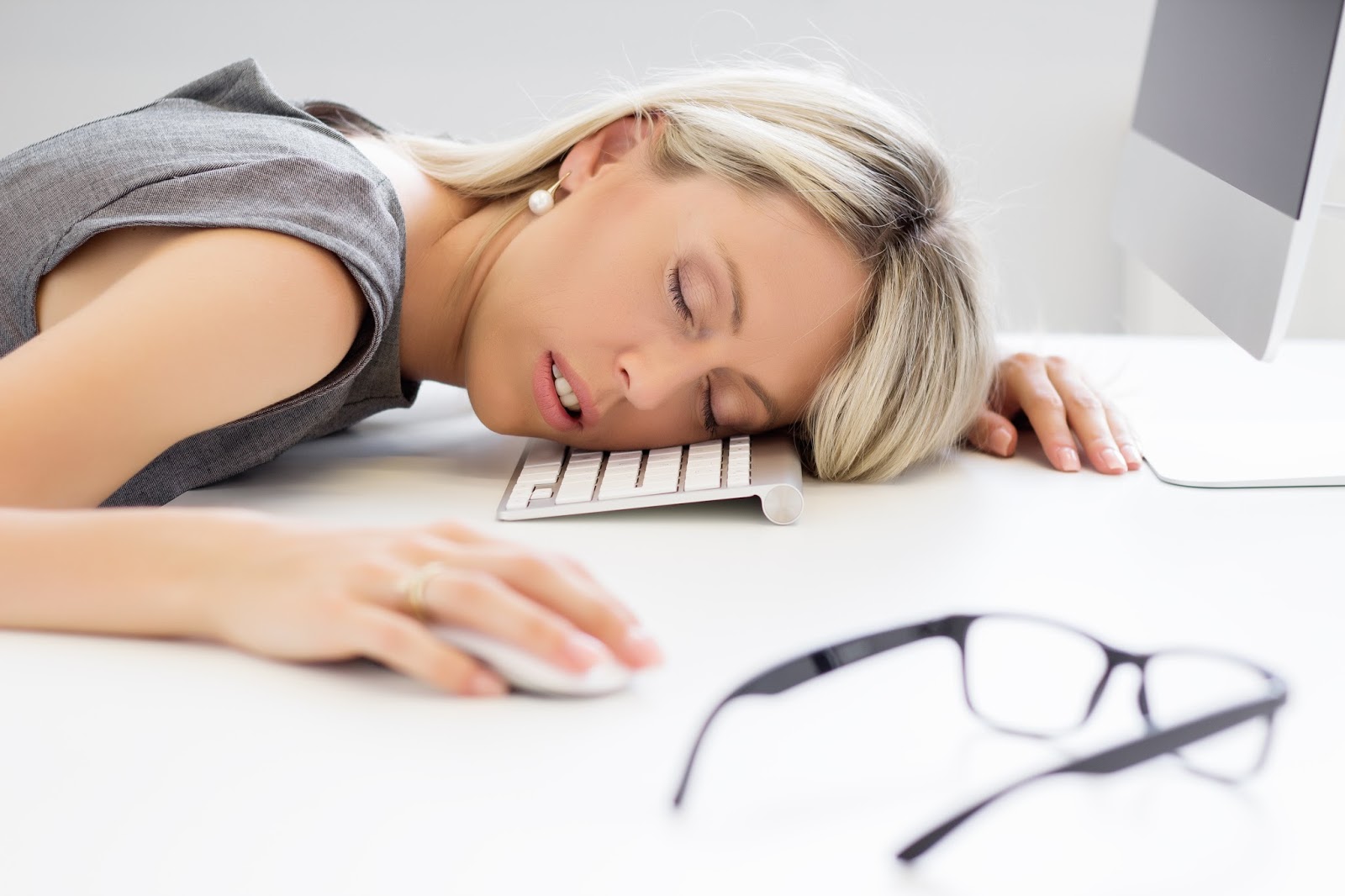
·       Daytime sleepiness, lack of energy during the day, sleepy while driving
·       Forgetfulness, mood changes


If you have any of these symptoms, contact Glendora dentist, Dr. Anna Lee, for a free consultation for Sleep Apnea

Thursday, March 17, 2016

Complications Caused by Obstructive Sleep Apnea


Obstructive sleep apnea can impact not only your sleep but your day-to-day life. If you feel overly tired and can’t seem to wake up, even after you have slept a full night, you may have sleep apena. Contact Dr. Lee & her team for help.
Here are some of the medical & non-medical problems caused by untreated OSA:
·       increased  risk of high blood pressure, heart attack, stroke, and/or atrial fibrillation
·       increased  risk of diabetes
·       liver problems
·       headaches, impotence, and weight gain
·       memory problems and depression
·       daytime fatigue and work-related driving accidents

These are just a few of the side effects that can impact you. Dr. Anna Lee & her team can help you get your life back.

Tuesday, March 8, 2016

Who is at Risk?


Sleep apnea can affect anyone, even children.  Men are more likely than women to have sleep apnea. Obstructive Sleep Apnea (OSA) can occur at any age, the risk increases as you get older.  A family history of sleep apnea also increases the risk for the condition.
Risk factors:
·       overweight, 4 times greater risk of sleep apnea than those with normal weight
·       being male, over 40 years old
·       being older
·       family history
·       small airways in the noses, throats, or mouths are more likely to have sleep apnea
·       allergy problems, nasal congestion
·       use of alcohol, sedatives or tranquilizers      
·       smoker
*Small children who have enlarged tonsil tissues are at risk for sleep apnea. Children who are overweight also be at risk for sleep apnea.
Untreated pediatric sleep apnea can lead to mood problems, hyperactivity, inattentiveness, poor school performances, angry and hostile behaviors.  Children also have an increased risk of later cardiovascular diseases.
Pediatric OSA is usually and most effectively treated by surgical removal of the tonsils and adenoids.
For more information on sleep apnea and how to treat it with a dental device, contact Dr. Anna Lee.

Thursday, March 3, 2016

What Causes Sleep Apnea?


“Sleep apnea can be caused by multiple factors. Finding out why you have sleep apnea is as important as what course of action you have to treat sleep apnea,” says Dr.Anna Lee.
Obstructive sleep apnea occurs when the muscles in the back of the throat relax. When the muscles relax, the airway narrows and prevents air from flowing into and out of the lungs. The lack of air flow lowers the level of oxygen in the blood and triggers the brain to disrupt the sleep. This disruption helps to reopen the airway and normal breathing starts again, often with a loud snort or choking sound.
The snoring, choking or gasping sound can repeat 5 to 30 times or more each hour, all night long.  These disruptions impair sleep quality and can trigger the release of stress hormones.  These stress hormones raise the heart rate and increase the risk for high blood pressure, heart attack, stroke and arrhythmias (irregular heartbeats).
For more information on sleep apnea, contact Dr. Lee and her team today!